

- December 15, 2025
- Posted by: Jay Soloff
- Categories: Options Trading, Trading Article

Options trading can feel like walking a financial tightrope. I’ve learned that volatile markets aren’t just about wild price swings—they’re opportunities that come with risk. When stock prices jump and dip unpredictably, options premiums spike, creating potential for significant gains or some tough losses. Understanding these market dynamic is how you survive. Would you risk everything on a single trade, or learn how strategic moves can turn uncertainty into your advantage?
TLDR
- Volatility in options trading presents both significant profit opportunities and substantial risk, demanding precise market interpretation.
- High-volatility stocks can generate lucrative returns when traders accurately assess implied volatility and option premiums.
- Successful navigation of volatile markets requires disciplined risk management and understanding subtle market sentiment signals.
- Option pricing reflects market expectations, with increased volatility directly influencing premium values and potential investment outcomes.
- Strategic decision-making involves comparing current option premiums against historical data and evaluating potential percentage stock movements.
Handling Market Volatility: Smart Options Trading Strategies
When you’re options trading, volatility can be both a friend and a foe. Understanding option pricing requires a good eye for risk assessment. High volatility stocks present unique opportunities and challenges for traders like me. The market’s expectation of stock movement directly impacts option premiums, creating a complex landscape of potential profits and pitfalls.
Implied volatility is more than just a number—it’s actually a window into market sentiment. When volatility increases, option premiums climb, offering potentially lucrative cash flow opportunities. But there’s a catch: higher returns come with increased risk. It’s like walking a tightrope between potential profit and potential loss.
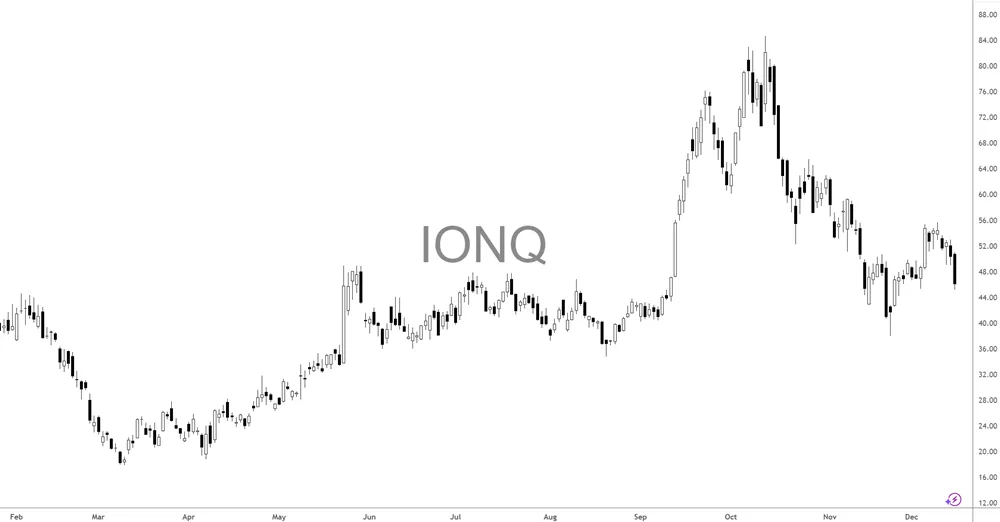
Take a stock like Ion, for example. Its wild price swings can be both exciting and nerve-wracking. I’ve seen put options with premiums that tell a story of market uncertainty. A $2 premium on an out-of-the-money strike can represent a significant opportunity or a potential trap for the unprepared trader.
The key is to develop an intuitive understanding of market behavior. I don’t rely solely on complex calculations but instead look for patterns and comparative analyses. A premium that seems high might actually be reasonable given the expected stock movement. It’s about understanding the relationship between price, volatility, and potential outcomes.
Experienced traders know that success isn’t about eliminating risk—it’s about managing it very well. I always compare current option premiums to historical averages and consider the potential percentage moves. Sometimes, a seemingly expensive option can be a smart investment if the underlying fundamentals support it.
Ultimately, volatile options require a balanced approach. They’re not for the faint of heart, but for traders willing to do their homework and stay calm under pressure. The market rewards those who can read between the lines, understand subtle signals, and make calculated decisions.
It’s a challenging game, but one that can be incredibly rewarding when approached with knowledge and discipline.

Your Questions Answered
How Can I Protect My Portfolio During High Volatility Periods?
I protect my portfolio during high volatility by implementing strategic volatility hedging techniques and conducting thorough risk assessment through diversification, put options, and maintaining a balanced asset allocation.
What Percentage of My Investment Should Go Into Options?
I’d allocate 5-10% of my portfolio to options, carefully aligning with my risk tolerance and investment goals to balance potential returns against market volatility.
Are There Strategies to Minimize Risk in Volatile Markets?
I minimize risk in volatile markets through strategic hedging techniques like diversifying my options portfolio, using stop-loss orders, and selecting options with lower implied volatility to protect my investments.
How Do I Identify the Best Options Trading Opportunities?
I identify the best options trading opportunities by analyzing implied volatility, comparing put premiums against historical averages, and evaluating market indicators that reveal potential price movements and risk levels.
Can Beginners Successfully Trade Volatile Stock Options Safely?
Yes, I can trade volatile stock options safely by prioritizing options education, understanding my risk tolerance, and starting with small, manageable investments that limit potential losses while learning market dynamics.

